What Are the Benefits of KHOOR Cigarettes?
Explore the benefits of organic cigarettes and learn how they differ from traditional options. Discover health advantages, environmental impact, and more.


Choosing organic cigarettes can offer several health and environmental advantages.
Learn about the benefits of reduced pesticide exposure, fewer additives, and natural ingredients.
Explore the positive impact of sustainable farming practices on our planet.
We at KHOOR are committed to providing you with information on the growing trend and demand for organic tobacco products.
When it comes to smoking, health benefits might seem contradictory. However, for those who choose to smoke, some argue that organic cigarettes offer certain advantages.
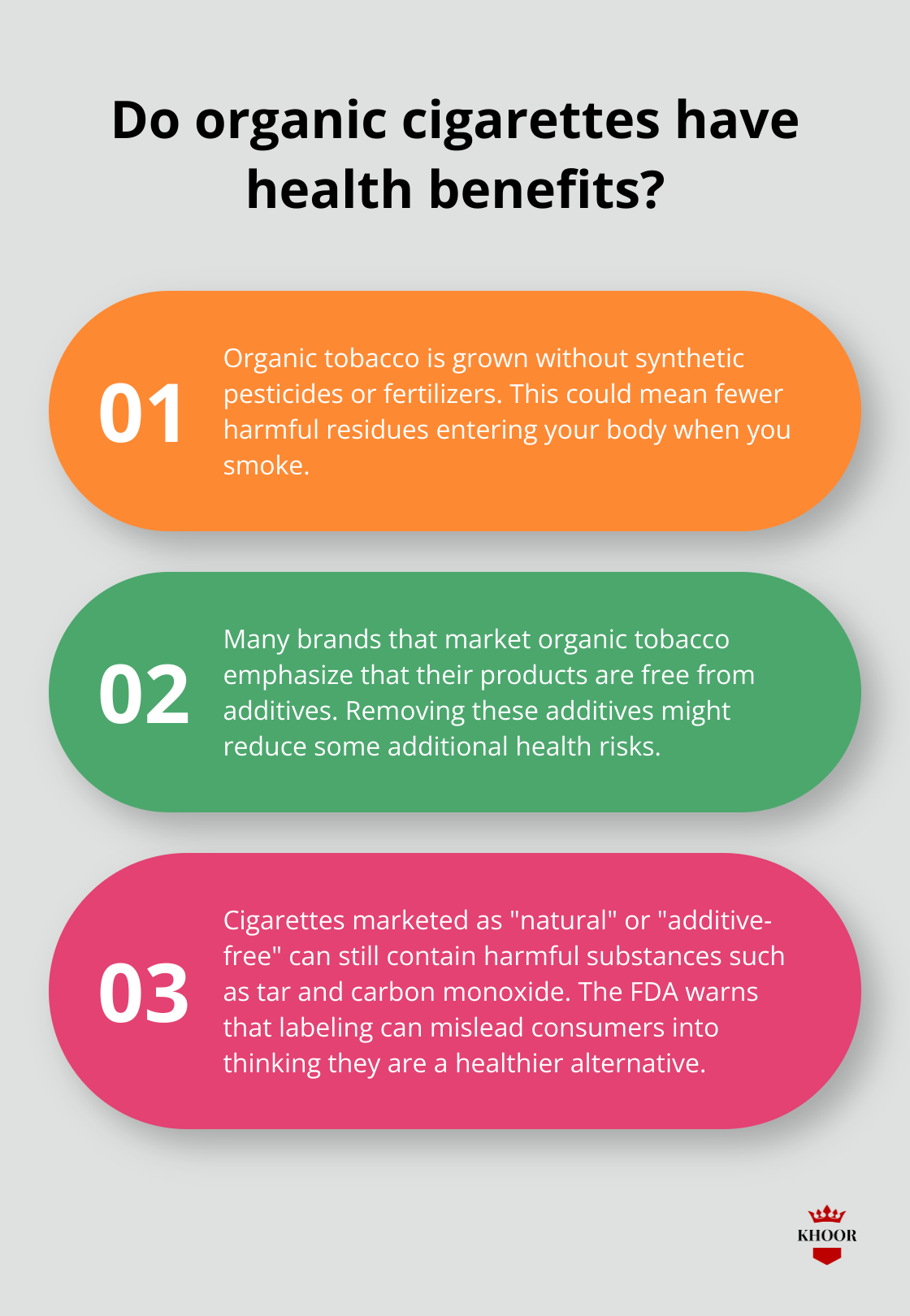
One of the perceived benefits of organic cigarettes is the reduced exposure to harmful pesticides and chemicals. Conventionally grown tobacco is often treated with a variety of chemical pesticides. Organic tobacco, by definition, is grown without synthetic pesticides or fertilizers. This could mean fewer harmful residues entering your body when you smoke. According to the Truth Initiative, even organically grown tobacco still carries significant health risks, but the absence of synthetic chemicals can be a plus for some users.
Standard cigarettes contain numerous additives and preservatives that can contribute to their harmful effects. Organic cigarettes aim to reduce the number of these additives. For example, many brands that market organic tobacco emphasize that their products are free from additives like ammonium compounds and sugars, which are often added to enhance flavor and increase nicotine absorption. Removing these additives might reduce some of the additional health risks associated with smoking, though it does not eliminate the primary dangers.
The use of natural ingredients and tobacco is another feature often highlighted by manufacturers of organic cigarettes. But it’s essential to recognize that “natural” does not equate to safe. Cigarettes marketed under labels like “natural” or “additive-free” can still contain harmful substances such as tar and carbon monoxide. The FDA has frequently warned that labeling cigarettes this way can mislead consumers into thinking they are a healthier alternative, which is not the case. Still, for some smokers, the idea of smoking a product that contains fewer synthetic substances might be appealing.
So, while organic cigarettes may reduce exposure to certain chemicals and additives, they are far from a healthy choice. Statistics show that no form of smoking is without significant risk. Understanding these nuances can help in making more informed decisions about smoking habits and considering smoking cessation support.
The next chapter will further explore environmental impacts and sustainability in organic tobacco farming.
Organic tobacco cultivation employs more sustainable farming methods compared to conventional practices. One significant advantage is crop rotation, which maintains soil fertility and reduces the need for chemical fertilizers. By alternating tobacco with other crops, farmers can sustain soil health and reduce erosion, benefiting the local ecosystem. For instance, fields used for organic tobacco often see a 15-20% increase in soil organic matter, improving overall sustainability.
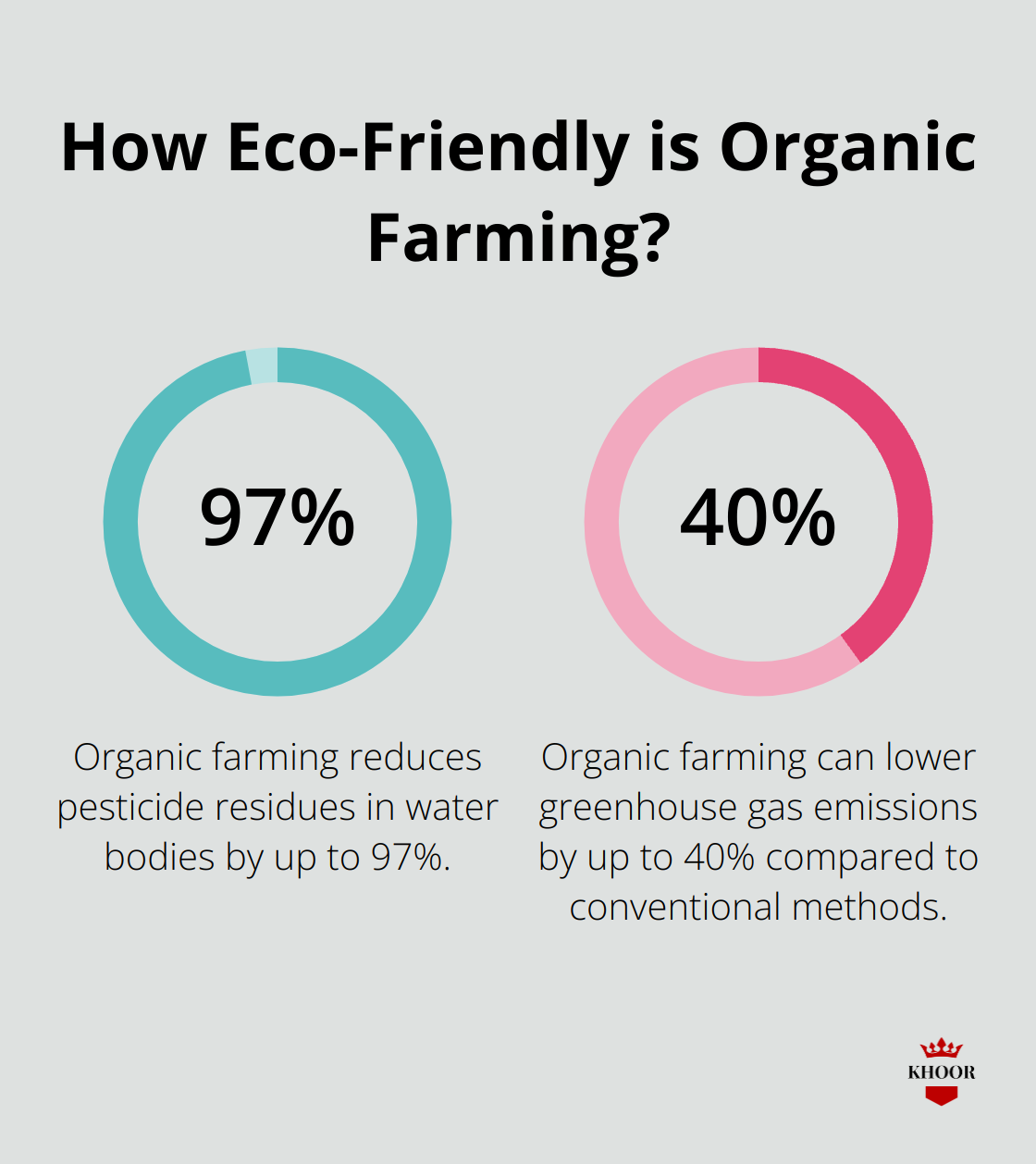
Organic farming drastically reduces soil and water contamination. Conventional tobacco farming uses synthetic pesticides and fertilizers, which can leach into the soil and water systems. By avoiding these chemicals, organic methods help to maintain cleaner groundwater and river systems, benefiting both human communities and wildlife. A study by the International Federation of Organic Agriculture Movements found that organic farming reduces pesticide residues in water bodies by up to 97%, making it a more environmentally responsible choice.
Organic tobacco farming can contribute to a lower carbon footprint. Traditional farming practices often involve heavy machinery and chemical inputs that emit greenhouse gases. Organic farms, on the other hand, tend to rely on manual labor and organic fertilizers, reducing their carbon output. According to a study published in the Environmental Science & Policy journal, organic farming can lower greenhouse gas emissions by up to 40% compared to conventional methods. These reductions in carbon emissions are essential steps towards combating climate change.
By adopting organic farming practices, tobacco growers can significantly mitigate their environmental impact. It’s not just about reducing contamination but also actively enhancing the health of our planet. Further exploration into broader agricultural practices can offer additional insights into sustainable farming benefits.
For those interested in supporting sustainable practices, consider purchasing from brands committed to organic cultivation. This helps encourage more farmers to adopt eco-friendly methods. Additionally, consumers can support organizations advocating for sustainable agriculture, such as this one. Awareness and informed choices contribute to a more sustainable future.
The next chapter will focus on consumer perceptions and misconceptions about the safety of organic cigarettes.
The market for organic tobacco products is experiencing a noticeable surge, driven by consumer preferences and broader lifestyle changes. This chapter explores these shifts and their implications.
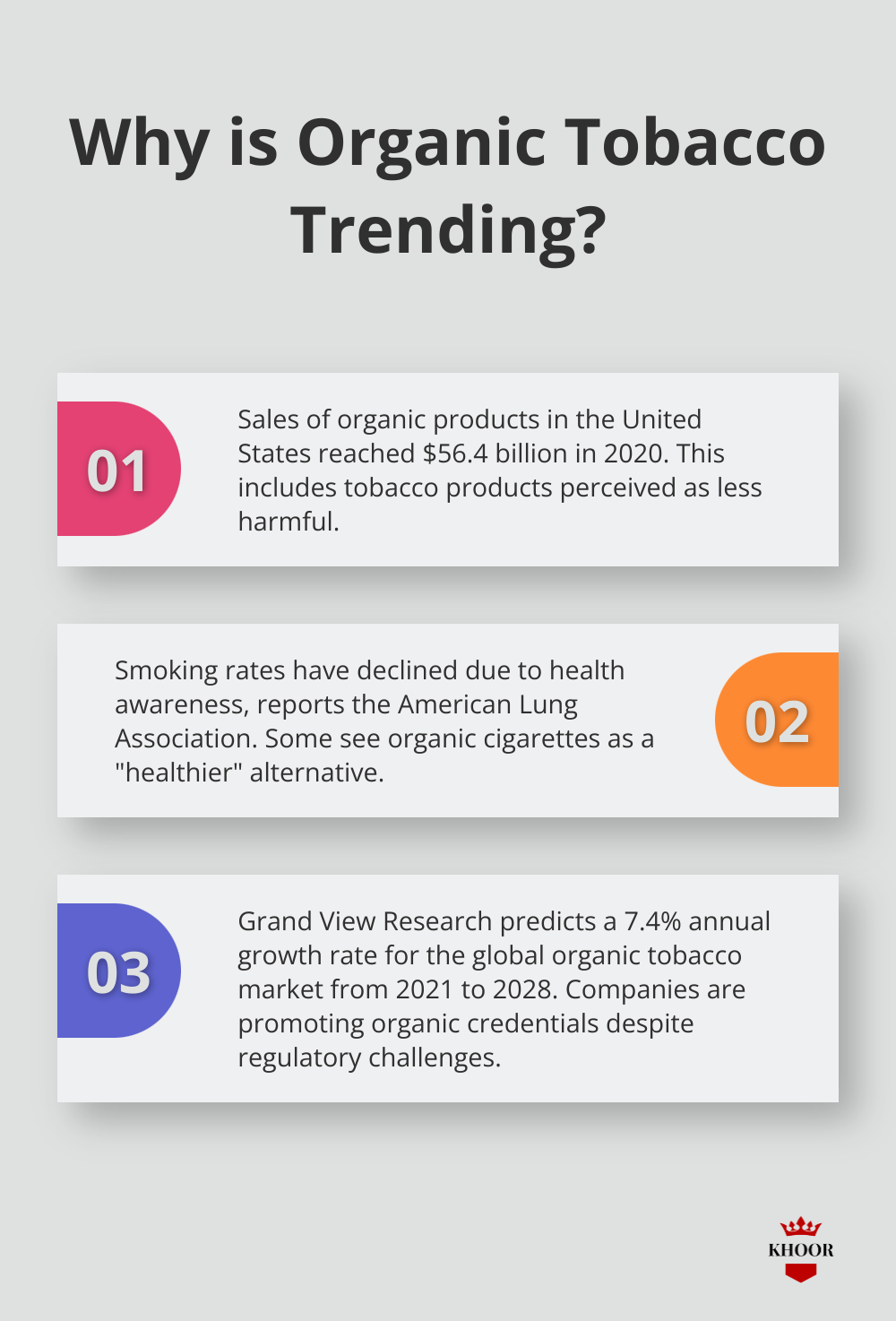
Consumers are increasingly leaning towards natural and organic products across various industries. According to a report by the Organic Trade Association, sales of organic products in the United States reached a record $56.4 billion in 2020. This growing trend extends to tobacco products as well. People are becoming more conscious of what they consume, seeking products perceived to be less harmful or more sustainably produced. The allure of “natural” and “organic” labels in cigarettes taps into this demand.
As more individuals adopt healthier lifestyles, there is a notable shift in smoking preferences. The American Lung Association reports that smoking rates have declined over the years due to increased health awareness. Some smokers see organic cigarettes as a middle ground—perceived as a “healthier” alternative without giving up the habit altogether. While this perception is misguided, it reflects a broader desire to make more health-conscious choices, even in areas like tobacco use.
The organic tobacco market is expanding. Market research by Grand View Research anticipates that the global organic tobacco market could grow at a compound annual growth rate of 7.4% from 2021 to 2028. This growth is fueled by consumer demand for products perceived to be purer and less harmful. Companies are capitalizing on this trend by promoting their organic credentials, despite regulatory interventions highlighting the misleading nature of such claims.
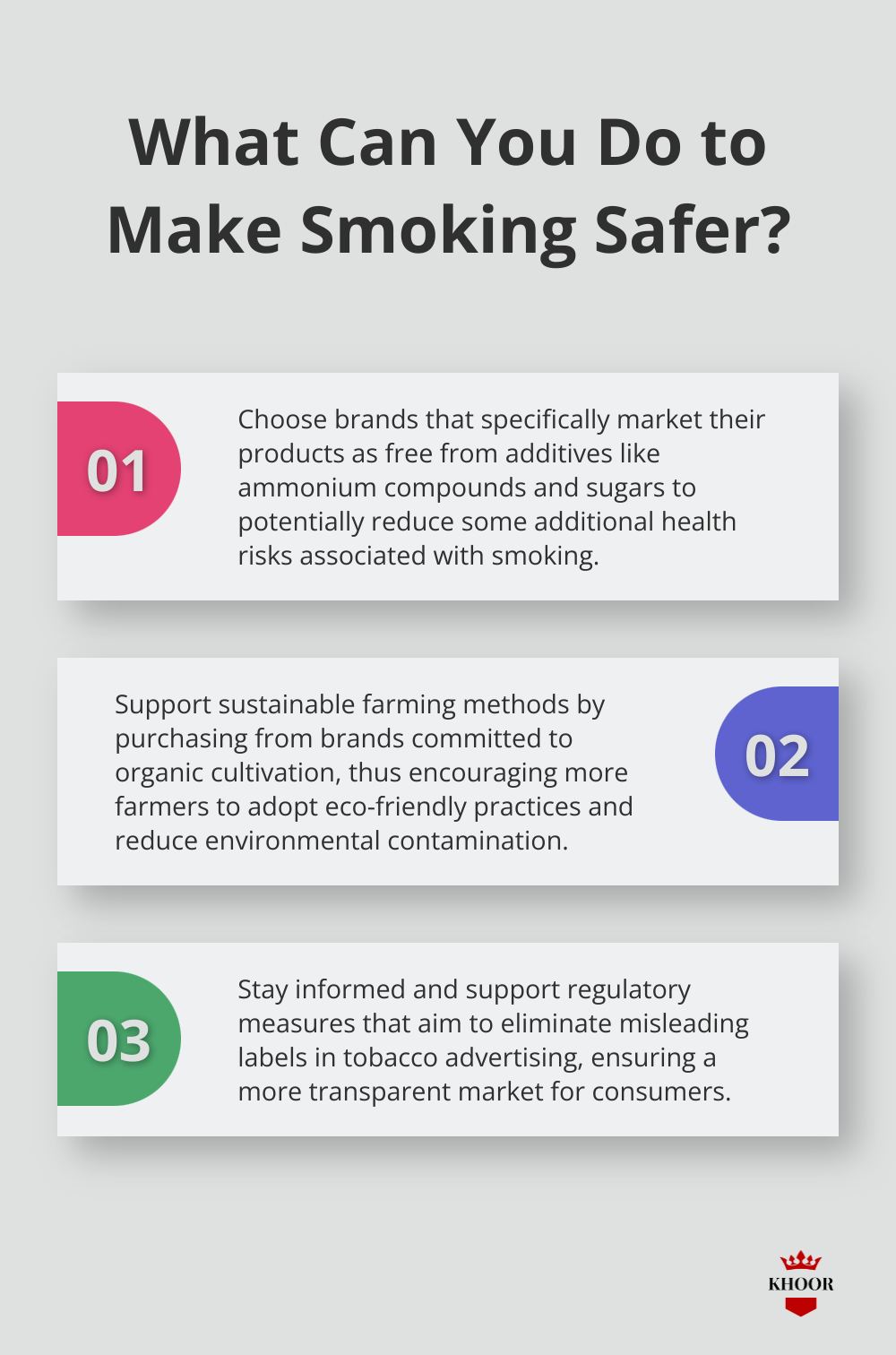
For individuals looking to support this trend responsibly, it’s important to remain informed. Supporting regulatory measures that eliminate misleading labels in tobacco advertising can help create a more transparent market. Additionally, considering genuine smoking cessation options, as highlighted by various research resources can contribute toward healthier lifestyle choices.
Understanding market trends and consumer preferences can offer insights into the complex landscape of tobacco consumption and the potential impacts of perceived “organic” benefits.
Choosing to smoke organic cigarettes may offer some perceived benefits, particularly in terms of reduced pesticide exposure, fewer additives, and natural ingredients. However, it’s critical to understand that these benefits do not eliminate the significant health risks associated with smoking. The reduced exposure to synthetic chemicals and additives might make organic cigarettes a preference for some smokers, but they still contain harmful substances like tar and carbon monoxide. Regulatory bodies like the FDA have highlighted the misleading nature of labels that suggest organic cigarettes are a safer alternative.
On the environmental front, organic tobacco farming practices do provide advantages. Techniques such as crop rotation help maintain soil fertility, reduce erosion, and improve overall soil health. Furthermore, the reduction of synthetic chemicals in farming minimizes soil and water contamination, making organic methods more sustainable. Organic farms also often have a lower carbon footprint, relying less on heavy machinery and chemical inputs. These practices support broader ecological benefits, contributing to cleaner water systems and reduced greenhouse gas emissions.
The market for organic tobacco is expanding, driven by consumer preferences for natural and organic products. The growth aligns with broader lifestyle shifts towards more health-conscious and environmentally responsible choices, despite the persistent misconceptions about the safety of organic cigarettes. Market Dynamics project continued growth, indicating a strong consumer interest in products perceived to be purer and more sustainable.
As you navigate the complex landscape of tobacco products, it’s essential to remain informed and make decisions that align with both personal health goals and environmental values. For those who seek a truly health-conscious smoking alternative, we at KHOOR offer a premium, tobacco-free, and nicotine-free smoking experience through our all-natural herbal cigarettes. Explore more about KHOOR’s offerings and join our commitment to providing satisfying and safer options for smokers.
For additional information on smoking cessation and sustainable farming practices, organizations like the Truth Initiative and the International Federation of Organic Agriculture Movements offer valuable resources and insights.
Explore the benefits of organic cigarettes and learn how they differ from traditional options. Discover health advantages, environmental impact, and more.
Explore herbal alternatives in Waveland for a healthier smoking cessation journey. Discover natural aids to support your quit-smoking efforts.
Understand why coughing after quitting smoking is common, what triggers it, and how to manage this phase for a healthier future.
Explore if herbal cigarettes are better than normal ones. Learn about their benefits, risks, and how they compare health-wise in our latest analysis.
Support loved ones quitting smoking with practical tips. Learn how to help someone who is quitting smoking and improve their journey today.

Explore the benefits and tips of herbal smoking wellness with information on health impacts, botanical choices, and DIY blends.