What Are the Benefits of KHOOR Cigarettes?
Explore the benefits of organic cigarettes and learn how they differ from traditional options. Discover health advantages, environmental impact, and more.

At KHOOR, we often get asked if herbal cigarettes are better than normal ones. This question has sparked a heated debate among smokers and health professionals alike.
In this post, we’ll explore the key differences between herbal and traditional cigarettes, examining their ingredients, health implications, and user experiences.
Our goal is to provide you with factual information to help you make an informed decision about your smoking habits.
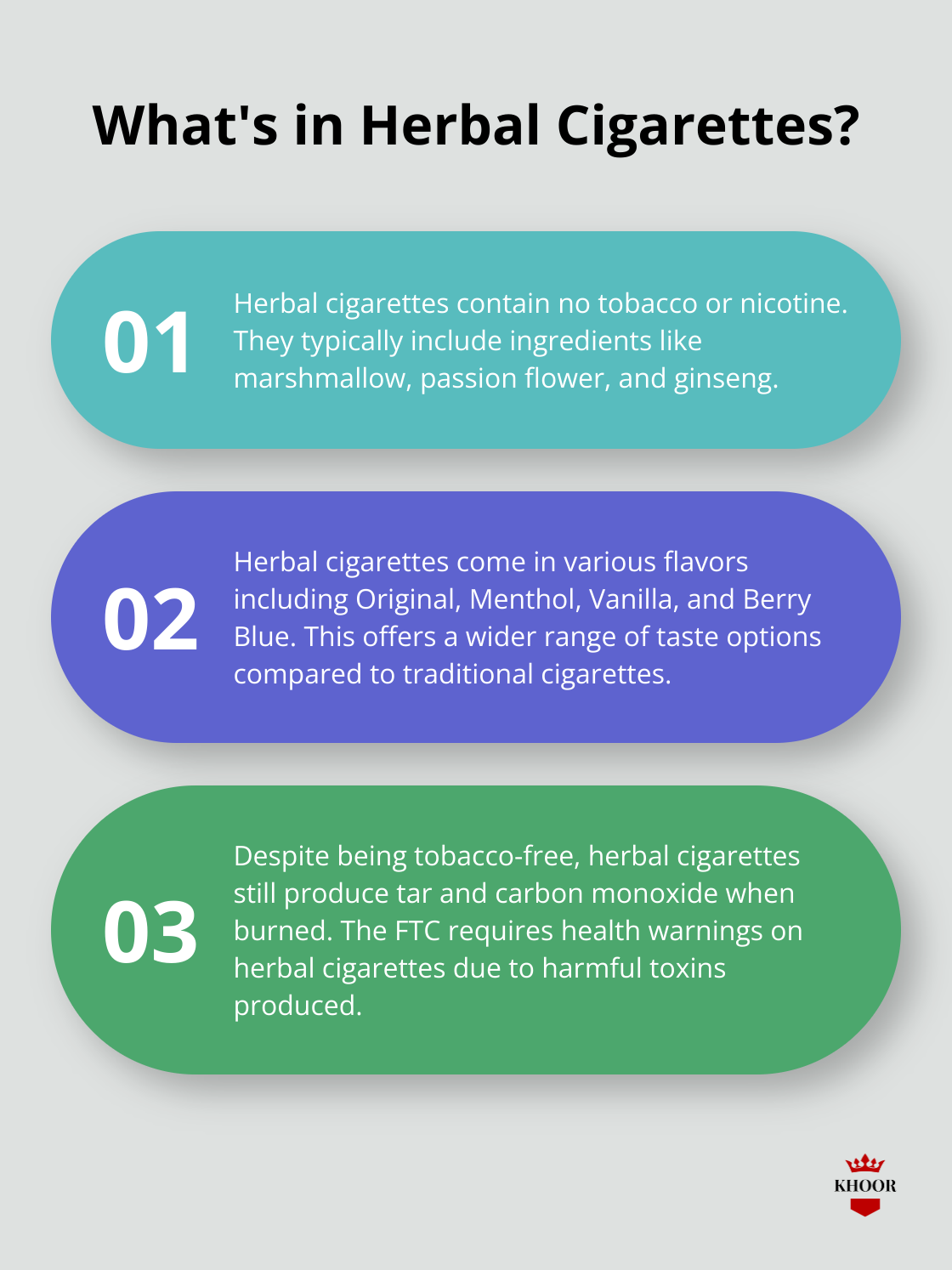
Herbal cigarettes are cigarettes made with herbs, plant materials and other herbal ingredients that contain no tobacco or nicotine. These cigarettes typically include a variety of ingredients such as marshmallow, passion flower, and ginseng. Some brands use a combination of plant-based hemp and organic peppermint leaf, offering a tobacco-free and nicotine-free alternative to traditional cigarettes.
Unlike traditional cigarettes that primarily offer tobacco and menthol flavors, herbal cigarettes come in a wide range of taste options. Some brands offer flavors such as Original, Menthol, Vanilla, and Berry Blue. This variety allows smokers to enjoy a rich taste experience while avoiding tobacco use.
The main distinction between herbal and traditional cigarettes lies in their composition and health impact. Traditional cigarettes contain tobacco and nicotine, exposing users to over 7,000 harmful chemicals (including more than 70 known carcinogens) according to the CDC. In contrast, herbal cigarettes are believed generally to be healthier or safer than tobacco ones; however, there is a lack of strong proof regarding their safety.
It’s important to note that herbal cigarettes still produce tar and carbon monoxide when burned. The FTC mandates health warnings on herbal cigarettes, stating they are dangerous and produce harmful toxins. Despite this, many smokers find herbal cigarettes helpful in their journey to quit smoking.
The regulation of herbal cigarettes varies by country. In the United States, non-tobacco nicotine products can only be legally marketed if they receive premarket authorization from FDA. Without marketing authorization, these products cannot be legally sold.
As we move forward, let’s examine the health implications of both herbal and normal cigarettes in more detail.
Traditional cigarettes contain nicotine, a highly addictive substance that keeps smokers hooked. Nicotine poses several health hazards, including an increased risk of cardiovascular, respiratory, and gastrointestinal disorders. Herbal cigarettes are nicotine-free, which can help break the addiction cycle.
However, the absence of nicotine doesn’t make herbal cigarettes harmless. A study published in Cancer Epidemiology, Biomarkers & Prevention found that herbal cigarette smokers had similar levels of cotinine (a nicotine metabolite) in their urine as traditional smokers. This suggests that herbal cigarette users may smoke more frequently or inhale more deeply to compensate for the lack of nicotine.
Both herbal and traditional cigarettes produce tar and carbon monoxide when burned. The American Lung Association reports that even herbal cigarettes increase exposure to these harmful chemicals. Some studies indicate that herbal cigarettes may produce similar or even higher levels of tar compared to traditional cigarettes.
The Federal Trade Commission (FTC) has addressed the issue of herbal cigarettes. While herbal cigarettes are not statutorily required to bear a Surgeon General’s warning due to the absence of tobacco, the FTC has taken action against deceptive advertising claims related to these products.
Long-term studies on herbal cigarettes remain limited, but existing research raises concerns. The National Cancer Institute warns that all smoke contains toxic and carcinogenic compounds. Researchers have found herbal cigarette smoke to contain polycyclic aromatic hydrocarbons (PAHs) and tobacco-specific nitrosamine metabolites, both linked to cancer.
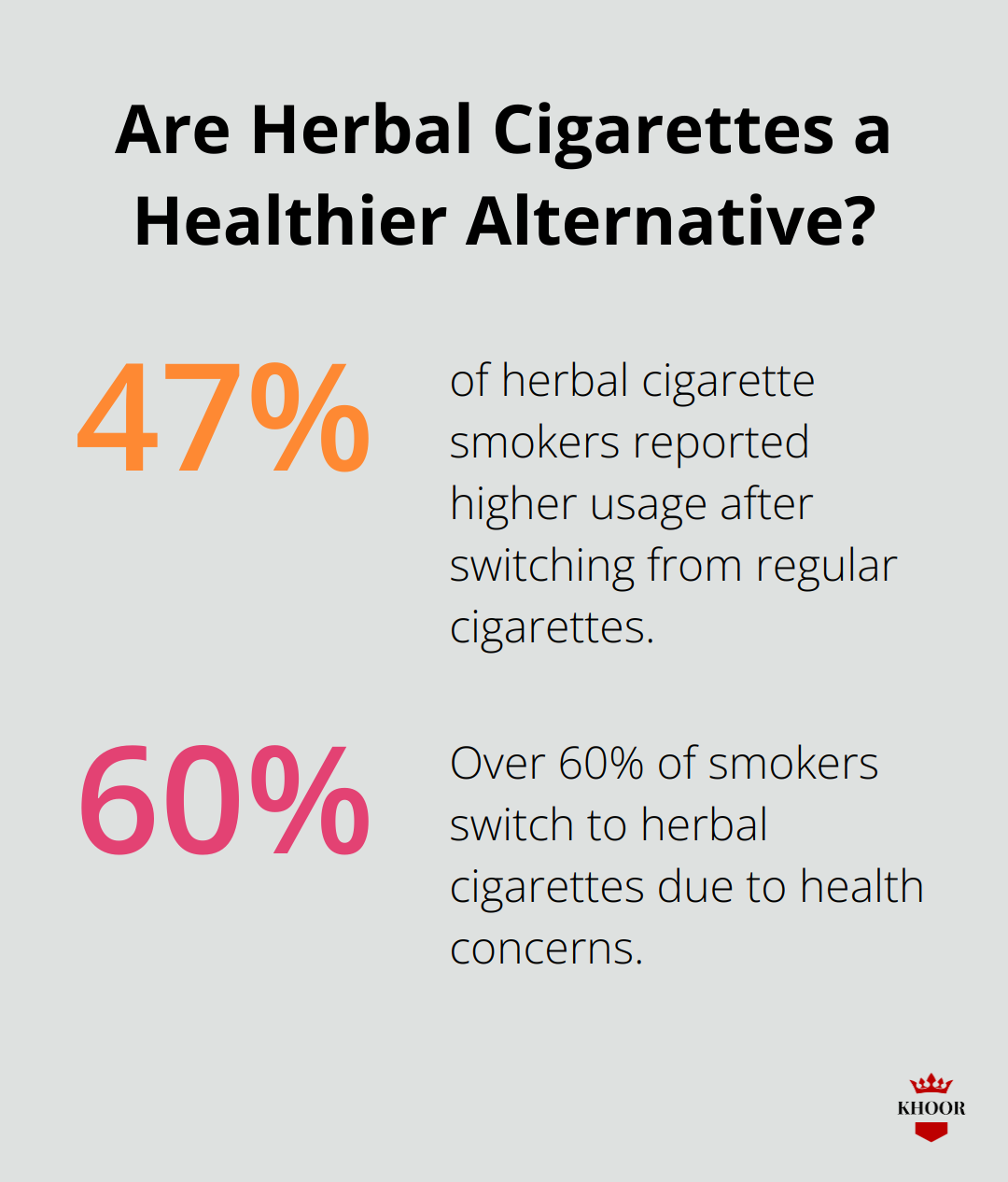
Moreover, the perception of herbal cigarettes as a safer alternative may lead to increased consumption. A survey revealed that 47% of herbal cigarette smokers reported higher usage after switching from regular cigarettes. This increased exposure could potentially negate any perceived benefits of switching to herbal alternatives.
Many smokers (over 60% in one study) switch to herbal cigarettes due to health concerns. This highlights a common misconception about the safety of herbal products. The tobacco industry often markets herbal cigarettes as a healthier option, but these claims lack scientific validation.
Chinese brands like Jinsheng and Wuyeshen have gained substantial market presence, with Wuyeshen accounting for over 20 billion cigarettes sold in 2008. These companies often make unsubstantiated health claims, stating that their products cause less coughing and benefit kidneys and lungs.
The regulation of herbal cigarettes varies by country. In the United States, non-tobacco nicotine products can only be legally marketed if they receive premarket authorization from the FDA. Without marketing authorization, these products cannot be legally sold.
Regulatory agencies face challenges in monitoring and restricting misleading marketing claims about herbal cigarettes, given the unproven health benefits. This lack of oversight can lead to consumer confusion and potential health risks.
As we explore the taste and experience differences between herbal and traditional cigarettes, it’s important to keep these health considerations in mind.
Herbal cigarettes offer a diverse range of flavors, catering to various preferences. These products include flavors such as Original, Menthol, Vanilla, and Berry Blue. This variety allows smokers to explore different taste profiles without the harsh chemicals found in tobacco cigarettes.
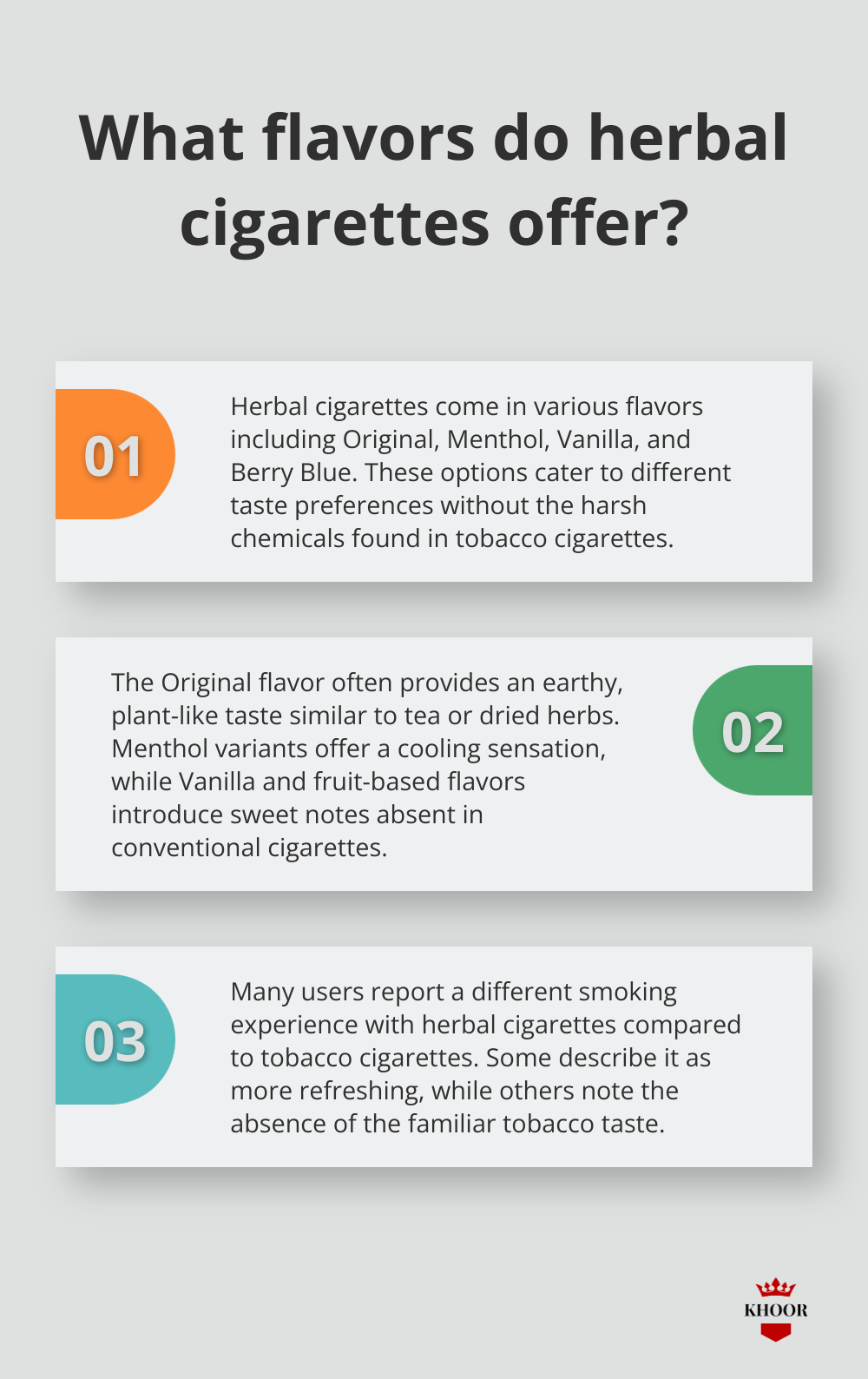
The Original flavor often provides an earthy, plant-like taste that some users describe as reminiscent of tea or dried herbs. Menthol variants offer a cooling sensation, similar to traditional menthol cigarettes but without the tobacco undertones. Vanilla and fruit-based flavors introduce sweet notes that are entirely absent in conventional cigarettes.
Many users report that herbal cigarettes produce a different smoking experience compared to tobacco cigarettes. A review article aimed to provide a simple understanding of the effects of smoking on the human body, which includes herbal cigarettes.
The absence of nicotine also means that herbal cigarettes don’t provide the same stimulant effect as traditional cigarettes.
A study published in the journal Nicotine & Tobacco Research found that smokers who switched to herbal cigarettes often reported a different sensory experience. Some described it as more refreshing, while others noted a lack of the familiar tobacco taste they were accustomed to.
The transition from tobacco to herbal cigarettes can be an adjustment for many smokers. Some users report an initial period of dissatisfaction as they adapt to the new flavors and sensations. However, many eventually come to prefer the herbal alternatives (especially those seeking to reduce their nicotine intake).
A study on adolescent tobacco use trends showed significant changes in cigarette use compared to other tobacco products. However, specific data on herbal cigarette usage frequency after switching from regular cigarettes was not provided in the search results.
While herbal cigarettes offer a different taste experience, they still produce harmful chemicals when burned. The American Lung Association warns that even herbal cigarettes can increase exposure to toxic compounds similar to those found in tobacco smoke.
KHOOR offers premium tobacco-free, nicotine-free smoking experiences with all-natural herbal cigarettes. Their products come in flavors such as Original, Menthol, Vanilla, and Berry Blue, providing rich taste and smooth smoking without harmful effects. KHOOR positions itself as the health-conscious alternative for satisfying cravings and rituals without compromising on flavor or experience.
The question of whether herbal cigarettes are better than normal ones lacks a simple answer. Herbal cigarettes offer a tobacco-free and nicotine-free alternative, but they still produce harmful chemicals when burned. They provide some advantages over traditional tobacco products, such as the absence of nicotine and a variety of flavors, but “herbal” does not automatically mean “safe.”
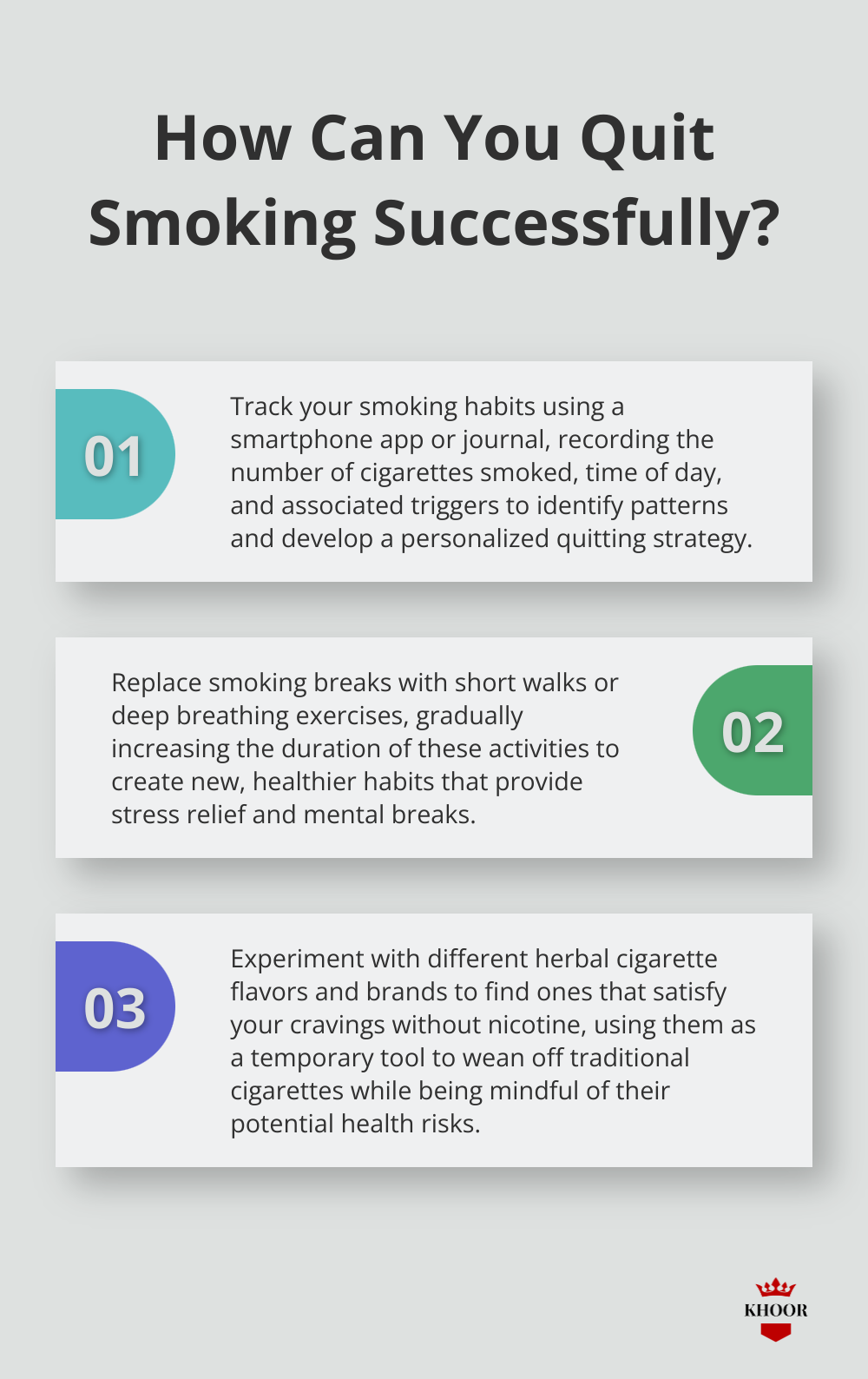
Smokers who consider a switch to herbal cigarettes must weigh potential benefits against known risks. While herbal cigarettes might help in smoking cessation efforts, they should not become a long-term solution or a completely safe alternative to tobacco. The role of herbal cigarettes in smoking cessation remains complex, as they can help manage cravings but may also reinforce the habit of smoking.
At KHOOR, we understand the challenges of quitting smoking and offer premium herbal cigarettes as a tobacco-free, nicotine-free option. Our products come in flavors like Original, Menthol, Vanilla, and Berry Blue (providing a satisfying experience without addictive properties). However, the best choice for your health involves avoiding smoking altogether, and we encourage seeking support from healthcare professionals for evidence-based smoking cessation methods.
Explore the benefits of organic cigarettes and learn how they differ from traditional options. Discover health advantages, environmental impact, and more.
Explore herbal alternatives in Waveland for a healthier smoking cessation journey. Discover natural aids to support your quit-smoking efforts.
Understand why coughing after quitting smoking is common, what triggers it, and how to manage this phase for a healthier future.
Explore if herbal cigarettes are better than normal ones. Learn about their benefits, risks, and how they compare health-wise in our latest analysis.
Support loved ones quitting smoking with practical tips. Learn how to help someone who is quitting smoking and improve their journey today.

Explore the benefits and tips of herbal smoking wellness with information on health impacts, botanical choices, and DIY blends.